🌿 Introduction
If you’re growing dragon fruit and seeing your precious fruits turn brown, soft, or start leaking on the vine—you’re likely dealing with Fruit Rot. It’s one of the most frustrating problems because it shows up just when you think you’ve won the season.
At Kurela Agro Farms, we’ve battled fruit rot during monsoon, high humidity, and dense crop phases. We’ve tried everything—from cow-based solutions to strategic chemical sprays. And now, we’re sharing what’s worked best for us and the farmers we support.
This is not theory. This is real-world experience with a clear goal: to help you reduce loss, protect yield, and grow with confidence.
🔍 What is Fruit Rot in Dragon Fruit?
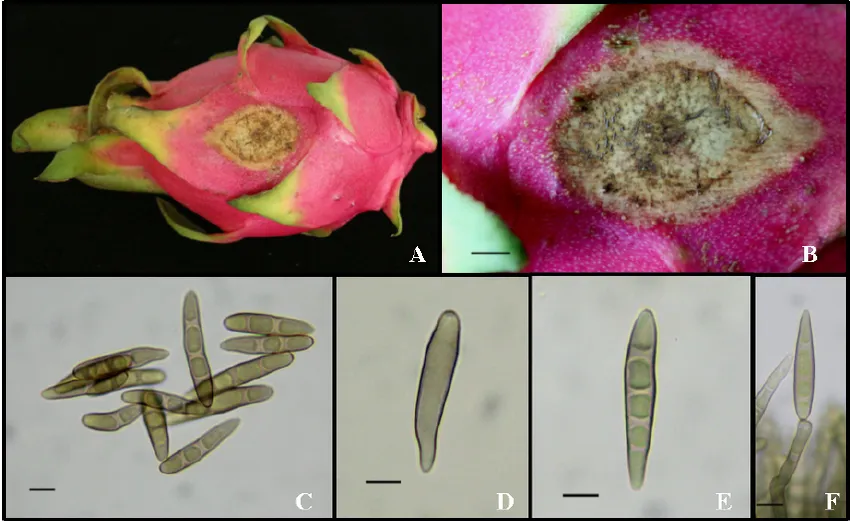
Fruit rot is a fungal disease caused by pathogens like Colletotrichum, Rhizopus, or Botryodiplodia. These fungi thrive in warm, moist conditions—especially when fruits are exposed to physical damage, rain, or poor airflow.
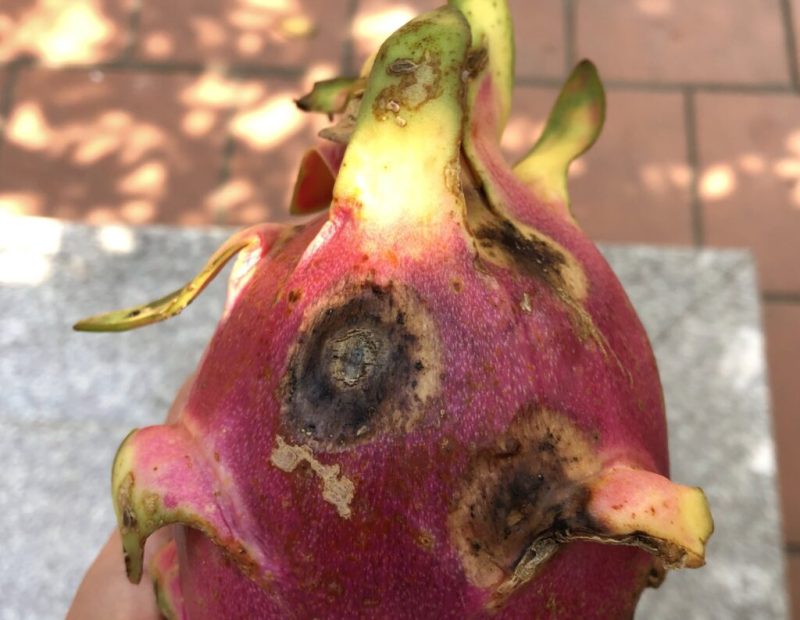
- Soft, water-soaked patches on fruit
- Dark spots that quickly expand
- Mold growth (white, grey, or black)
- Premature fruit drop
- Leaking or bursting fruit
- Foul odor in advanced stages

⚠️ Why It’s a Serious Problem
- Affects market-quality fruit and reduces income
- Can spread across vines in just 2–3 days
- Higher in shaded or low-ventilation setups
- Weakens the plant for future flowering cycles
🛡️ Best Practices for Prevention & Early Control
Here’s what we follow strictly on our farm. These steps reduce 80% of the problem before it even starts.
✅ Cultural & Physical Practices
- Use shade nets that allow light and reduce direct rainfall
- Train fruiting branches upward — avoid contact with soil or each other
- Avoid overhead irrigation during flowering and fruiting
- Prune overlapping stems to improve airflow
- Harvest fruits a few days early during high humidity or rain
✅ Support Structures & Field Hygiene
- Install fruit slings or nets to prevent bruising
- Build rain shelters or use polythene strips above fruiting areas
- Ensure proper slope and drainage around each plant base
- Remove infected fruit immediately—don’t compost nearby
- Sanitize shears and knives after each cut
- Avoid working in wet fields—spores spread faster through water splash
Available Solutions
🧪 Chemical Control Options
🧴 1. Mancozeb + Carbendazim (SAAF)
- Dosage: 1.5g each per litre or 3g SAAF
- Interval: Every 10 days
- Use: As first line of defense when rot is visible
💧 2. Copper Oxychloride (COC)
- Dosage: 2g per litre
- Interval: Every 7–10 days
- Use: For surface drying and fungal control post rain
🌿 3. Azoxystrobin (Amistar Top) or Trifloxystrobin
- Dosage: 1ml per litre
- Interval: Every 12–15 days
- Use: Systemic protection with curative action
🔁 Always rotate fungicides and avoid repeating the same chemical for more than 2 cycles.
🌱 Organic Control Options
(Use when aiming for chemical-free or ZBNF farming)
🍃 1. Neem Oil + Soap Emulsion
- Dosage: 3–5 ml neem oil + 1 ml liquid soap per litre
- When: Use early morning or evening
- Interval: Every 7 days during monsoon or humid conditions
- Benefit: Acts as antifungal and natural insect deterrent
🧄 2. Garlic + Clove Fermented Spray
- Crush 10 garlic pods + 3 cloves
- Mix with 10g jaggery in 1L water
- Ferment 2 days, dilute 1:10, then spray
- Interval: Every 10–12 days
- Helps suppress fungal spore germination
🐄 3. Jeevamrut + Buttermilk + Turmeric Mix
- 2L Jeevamrut + 1L buttermilk + 10g turmeric in 10L water
- Spray thoroughly on stems and fruits
- Interval: Every 7–10 days
- Boosts immunity, discourages fungal colonization
🌾 4. Trichoderma or Pseudomonas Foliar Spray
- Dosage: 5g/L of water
- When: Ideal after rains
- Interval: Every 15 days
- Controls soil-borne and surface fungi
| Week | Spray A | Spray B |
|---|---|---|
| 1 | Neem Oil + Soap | — |
| 2 | Jeevamrut + Buttermilk Mix | Trichoderma foliar spray |
| 3 | Garlic + Clove Fermented Spray | Neem Oil (again) |
| 4 | Copper-based (Organic Grade) | — |
✅ Spray in early morning or post-sunset. Rotate every 7 days for 4–5 weeks during high-risk period.
🔁 Kurela Agro Farms’ Trusted Control Plan
Here’s the spray routine we use on our own 8+ acre dragon fruit block:
| Week | Application |
|---|---|
| Week 1 | Neem Oil Spray + COC after rain |
| Week 2 | Jeevamrut + Buttermilk Mix + Trichoderma |
| Week 3 | Mancozeb + Carbendazim Combo |
| Week 4 | Garlic + Clove Fermented Spray |
✅ Apply foliar calcium, silicon, and boron every 15 days for stronger skin and less cracking
🌟 Final Advice: Stay One Step Ahead — don’t wait for rot to show before acting. If the weather forecast shows multiple cloudy days or humidity >80%, start your prevention cycle.
Once rot starts, it spreads within 48 hours if not managed. Prevention is always cheaper than a cure.
📢 From One Farmer to Another
At Kurela Agro Farms, we grow plants, share knowledge, and stand by every farmer who chooses to do it right. If this guide helped you, please refer it to your farmer groups, or connect with us for farm setup, plant orders, or guidance.
📞 +91 8866667502 / 8866667503
🌐 www.kurelaagrofarms.com
“Your success is our reputation. Let’s grow something great — together.”
Comments